
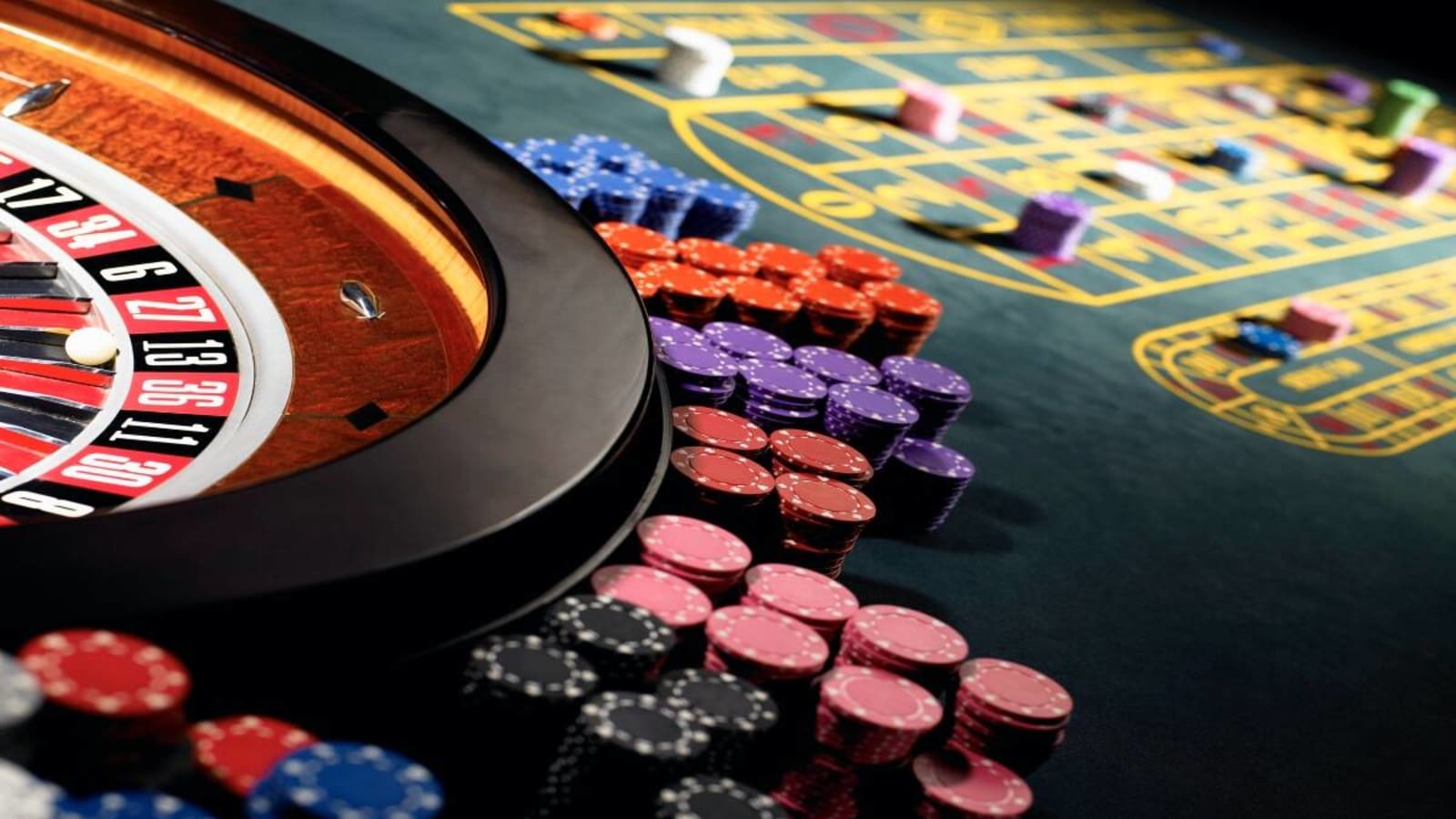
For gamblers in the UK, the appeal of an digital slot like Book of Kings Slot is closely tied to the core confidence that every spin is genuinely random and just https://bookcasino.eu/book-of-kings/. We understand that understanding the strong systems guaranteeing this integrity is not just technical detail but the essential basis of a top-tier gaming experience. This guide goes in-depth into the integrity standards and RNG certification that control the Book of Kings, offering British players with the clarity and trust they deserve. We will examine the relevant licenses, third-party audits, and technical systems that make this historical slot not only exciting but also completely reliable. Our exploration reveals how these hidden systems work diligently to defend user interests and preserve the highest standards of integrity in the online gambling industry.
What Does Fair Play Look Like in UK Online Slots?
In the context of UK online slots, fair play transcends the simple concept of not cheating. It represents a comprehensive ecosystem of regulations, technologies, and corporate ethics designed to ensure every player has an equal and transparent chance of winning. For a game like Book of Kings Slot, operating legally in the UK market, this commences with a licence from the UK Gambling Commission, one of the world’s most stringent regulatory bodies. This licence demands adherence to strict rules on game fairness, financial probity, and social responsibility. Fair play signifies that the game’s theoretical Return to Player (RTP) percentage is accurately published and that the game mechanics function precisely as advertised, without hidden alterations. It assures that outcomes are random and unpredictable, free from manipulation by either the operator or the player. Ultimately, for the UK audience, fair play is the legally enforceable promise that their time and money are spent in a secure and equitable digital environment.
The function of the Random Number Generator (RNG)
At the pulsating heart of every current online slot, including Book of Kings, lies the Random Number Generator. This complex software algorithm is the digital equivalent of shuffling a deck of cards trillions of times per second, producing a constant, unforeseeable sequence of numbers that decides the outcome of each spin the moment you hit the button. The RNG operates autonomously of any previous spins, making sure that each result is a distinct, independent event, a concept crucial for UK players to understand. This “true randomness” is what makes strategies founded on past outcomes fundamentally flawed and ensures that luck is the only deciding factor. The soundness of this system is paramount; a breached RNG could be tampered to produce predictable patterns or limit wins. Therefore, the entire fair play framework is built around validating, overseeing, and protecting this core technology. It is the unspoken, fair judge presiding over every historic conquest or valiant defeat in the Book of Kings realm.
How RNGs Create Unpredictable Outcomes
The technical process of generating a random outcome in Book of Kings Slot is a fascinating blend of computer science and mathematics. Modern RNGs used by authorized platforms are typically pseudo-random number generators (PRNGs), started by a ‘seed’ value sourced from an random source, such as the specific millisecond of a server request or atmospheric noise. This seed is then processed through complicated mathematical formulas to produce a lengthy, non-repeating sequence of numbers that is, for all practical gaming purposes, indiscernible from true randomness. When you start a spin in Book of Kings, the game client sends a request to the protected gaming server. The RNG instantly picks a number from its sequence, which is then mapped by the game’s software to a specific combination of symbols on the reels. This entire process, from your click to the final outcome, occurs in milliseconds, ensuring flawless gameplay while preserving absolute cryptographic integrity against forecasting or reverse-engineering.
British Gambling Authority’s Licensing Requirements
For any provider offering Book of Kings Slot to UK players, holding a licence from the UK Gambling Commission (UKGC) is not optional; it is a legal requirement. The UKGC’s licensing system is widely considered the gold standard internationally, applying rules that immediately enforce fair play. To secure and retain a licence, operators must demonstrate that their games, like Book of Kings, use a certified RNG that has been tested by an independent, approved testing house. The Commission mandates transparent showing of game rules and theoretical RTPs. Critically, it demands operators to isolate player funds from company operational funds, protecting player balances even in the unlikely event of business insolvency. The UKGC also proactively monitors licensees for compliance, with the power to levy substantial fines or revoke licences for breaches pertaining to fairness, anti-money laundering, or failure to safeguard vulnerable players. This rigorous regulation offers a formidable safety net for the UK market.
Criteria for Game Fairness and Transparency
The UK Gambling Commission imposes specific standards that immediately translate to the fairness felt by players of Book of Kings Slot. To begin with, it requires that all games are checked for fairness and correctness by a UKGC-approved testing agency before launch. The game’s advertised Return to Player percentage must be mathematically precise and provable over the long term. Operators must also provide clear, accessible details on game rules, features, and the chances of winning prizes. For slots, this includes openness on the presence of any progressive jackpots or bonus buy features. The Commission also mandates that players must have easy availability to their transaction history and game logs, enabling for personal verification of activity. These standards ensure that a UK player rotating the reels of Book of Kings can do so with the confidence that the game’s mechanics are open, its outcomes are random, and its financial models are publicly declared.
Independent Testing and Certification Agencies
While the UK Gambling Commission determines the rules, independent testing agencies act as the on-the-ground inspectors, offering the verified proof of compliance. Globally recognised organisations like eCOGRA, iTech Labs, Gaming Laboratories International (GLI), and NMi are routinely employed by reputable operators to audit games like Book of Kings Slot. These agencies perform exhaustive technical evaluations of the game’s RNG, checking millions of simulated spins to confirm the output distribution is statistically random and unbiased. They ensure that the published RTP is accurate by auditing the game’s source code and mathematical model. Furthermore, they examine the game’s logic and features to ensure they trigger correctly as per the design. A successful audit leads to a certification certificate, which operators often show on their websites. For UK players, seeing that Book of Kings Slot holds a certificate from eCOGRA or a similar body is a tangible, third-party endorsement of its fairness.
How Book of Kings Slot’s RNG becomes Verified
The confirmation journey for Book of Kings Slot’s RNG represents a multi-layered process designed to prevent any single point of failure. Initially, the game developer’s internal quality assurance team thoroughly tests the RNG algorithm and game math. Once passed, the complete game package is submitted to an independent testing lab, such as those mentioned earlier. The lab’s experts perform a ‘black box’ analysis, playing vast numbers of automated game rounds to collect outcome data, which then undergoes statistical analysis for randomness. Simultaneously, they perform a ‘white box’ audit, reviewing the actual source code of the RNG and game engine to identify logical flaws or hidden mechanisms. After certification, the operator’s gaming server, where the live RNG resides, is likewise inspected to verify the certified software is installed correctly and has not been tampered with. This end-to-end scrutiny, from code to live deployment, assures the version of Book of Kings Slot available to UK players is the exact, fair-tested version that was certified.
Ongoing Monitoring and Re-Certification
Verification does not represent a one-time event but an ongoing commitment. Reputable operators and game providers expose their live gaming environments, including Book of Kings Slot, to continuous monitoring. This involves periodic, unannounced re-audits by the independent testing agencies to ensure the live game performance still matches the certified parameters. Any update or modification to the game software, whether a minor bug fix or a major feature addition, triggers a mandatory re-certification process for the affected components. This secures that the integrity of the RNG is maintained throughout the game’s lifecycle. Additionally, the UK Gambling Commission mandates licensees to have their systems for game fairness and RNG testing reviewed regularly. This culture of continuous scrutiny functions as a powerful deterrent against post-certification tampering and provides enduring assurance for players that today’s game is as fair as the day it was launched.
Player Tools: Return to Player, Volatility, and Rules of the Game

Clear information is a key tool for players for making informed choices. In Book of Kings Slot, essential data like Return to Player (RTP) and volatility are clearly disclosed. The RTP, usually shown as a figure like 96% or 97%, reflects the calculated payout paid back to players over an prolonged timeframe of play, calculated across millions of spins. It is a long-term statistical average, not a certainty for any single session. Volatility, also known as variance, outlines the risk character of the slot. A high-volatility game like Book of Kings often delivers larger but less frequent wins, while stable slots provide lower, more regular payouts. Additionally, the entire ruleset, describing how the Free Spins feature is triggered, how the special expanding symbol works, and the prize table for all symbol matches, are always accessible within the game’s information panel. Grasping these components allows UK players to align their gaming tactics with their individual risk tolerance and entertainment goals.
The UK Players Can Take to Make Sure They Are Playing Fairly
UK players are not simply passive recipients of fairness; they hold both rights and responsibilities in the environment. Primarily, they should only play Book of Kings Slot, or any other game, on sites licensed by the UK Gambling Commission, recognisable by the licence number and logo at the footer of the website. Players are urged to review the operator’s special page on fair play, which should link to the most recent certification reports from independent testing agencies for their games. Employing the responsible gambling tools supplied, such as deposit limits and reality checks, is also part of engaging with the platform fairly and safely. If a player ever thinks a game is malfunctioning or behaving oddly, they should right away contact the operator’s customer support, who can provide game logs and, if necessary, escalate the issue for technical review. The UKGC also provides a direct channel for player complaints, providing an additional layer of oversight and recourse.
The Future of Equitable Gaming Technology in Online Slots
The realm of fair play technology is continually evolving, propelled by both innovation and regulatory demand. One notable development is the transition towards ‘Provably Fair’ algorithms, especially in the cryptocurrency gaming space, which let players to personally confirm the randomness of each spin using cryptographic techniques. While not widely adopted in mainstream UK-licensed fiat casinos like those offering Book of Kings Slot, the fundamental ideas of increased transparency are influential. Blockchain technology also provides potential for unalterable, transparent recording of every game transaction and outcome. Furthermore, we foresee even more rigorous real-time monitoring systems powered by artificial intelligence, adept at detecting anomalies in game performance or RNG output that might elude periodic audits. For UK players, these advancements herald a future where the verification of fairness becomes even more robust, transparent, and potentially even interactive, deepening the trust that makes the gaming experience truly enjoyable.
